A Parent's Guide to ABA Therapy for 2-Year-Olds
Reviewed by Nechama "Nicole" Fried, MEd, BCBA, LBA
ABA therapy is an evidence-based treatment commonly used to support children with developmental delays, including autism spectrum disorder (ASD). When working with a 2-year-old, the focus of ABA therapy is to help build foundational skills like communication, social interaction, and daily functional behaviors.
At this age, children may not yet have developed strong verbal communication skills. As a result, a large part of therapy focuses on non-verbal behaviors—things like gestures, body language, and eye contact. But one common thread in every ABA session is reinforcement: rewarding positive behavior to encourage its repetition.
As a clinician, my first priority is always to assess each child’s unique strengths, preferences, and challenges. This helps me tailor the therapy to meet their individual needs.
What a Typical ABA Therapy Session Looks Like for a 2-Year-Old
ABA therapy for toddlers is often delivered in one-on-one sessions, either at home or in a clinical setting. Sessions generally last anywhere from 20 to 40 hours a week, depending on the child’s needs, with the intensity and frequency based on a recommendation from a Board Certified Behavior Analyst (BCBA) after an initial assessment.
Each session is highly structured and focuses on specific, measurable goals. These goals are broken down into small, achievable steps. For example, if we’re teaching a 2-year-old to use a picture exchange system (PECS) to ask for a snack, the therapy might begin with teaching the child to simply point at the picture. Eventually, they’ll work up to handing the picture over to request the snack.
Here’s a breakdown of what a typical ABA therapy session for a 2-year-old might include:
1. Engagement and Play-Based Learning
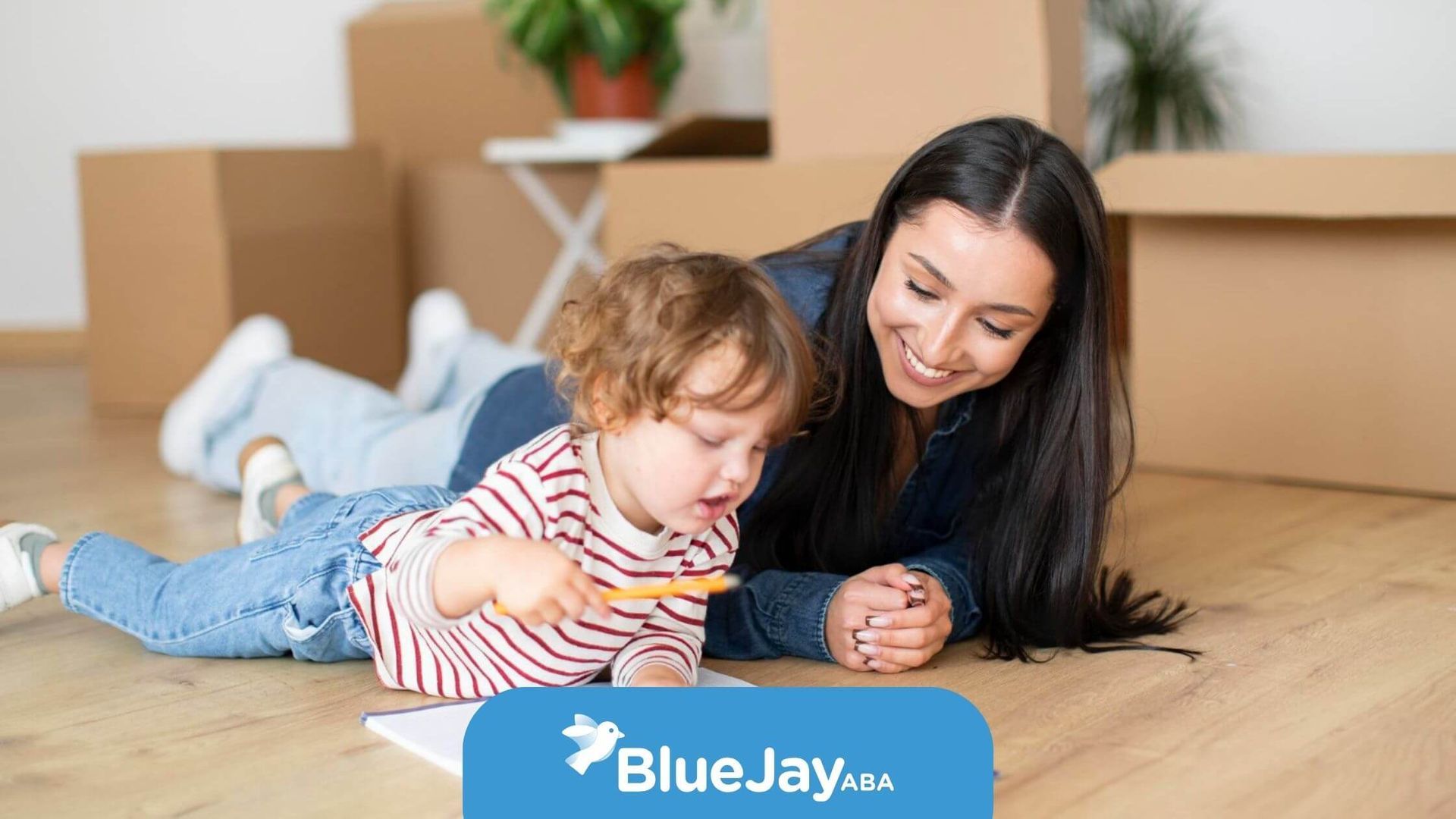
The first 5-10 minutes of the session are usually spent engaging the child in a fun activity. This helps to build rapport and make the child feel comfortable. Play activities, like stacking blocks or playing with toys, allow me to observe how the child responds to different prompts and how much support they need to stay engaged.
The primary goal here is not only to make the environment fun and comfortable but also to observe how the child interacts with their surroundings. It’s important to keep the child interested while building trust and engagement.
2. Discrete Trial Training (DTT)
Once the child is ready to focus, I move on to more structured activities. One method I often use is Discrete Trial Training (DTT), which breaks complex tasks down into smaller, manageable components.
For example, if we’re teaching a child to say “hi,” the process may include first prompting the child to look at me, then guiding them to say the word, and finally rewarding them once they’ve done so correctly. This helps build basic communication skills, which are essential at this age.
DTT provides a clear and organized framework that makes learning feel less overwhelming for the child.
3. Natural Environment Teaching (NET)
In addition to structured teaching, I also incorporate Natural Environment Teaching (NET). This involves teaching children skills in more natural settings. For example, if a child wants to play with a toy but doesn’t yet know how to ask for it, I’ll prompt them to use a simple word or gesture, like pointing or saying “please,” before giving them the toy.
NET focuses on helping children learn in real-life contexts, which helps them generalize skills. This is crucial because the goal of ABA therapy isn’t just to learn new behaviors but also to be able to apply those behaviors in different settings.
4. Parent Training and Involvement
An often overlooked but extremely important component of ABA therapy is parent involvement. Parents play a critical role in reinforcing the skills their child is learning, both inside and outside of therapy sessions.
Every few weeks, I meet with parents to explain the goals we’re working on and demonstrate specific techniques they can use at home. For instance, I might show them how to prompt their child to use words or gestures to communicate requests, or how to apply reinforcement techniques in their day-to-day routines.
By involving parents in the process, we ensure that the child receives consistent support both during therapy and at home.
In my experience, every child responds to ABA therapy differently, and toddlers, in particular, have their own unique ways of interacting with the world. I worked with a 2-year-old boy, Leo, who had difficulty with eye contact and often became frustrated during transitions.
Through observation, we realized that Leo needed sensory supports—like soft music or a textured toy—during transitions to reduce anxiety. Once we integrated those sensory elements into his routine, Leo became more engaged and was better able to transition between activities.
This experience highlights how important it is to be flexible and responsive to each child’s individual needs. While the techniques and goals in ABA therapy are rooted in evidence, they must be tailored to fit the child’s unique temperament and challenges.
The Role of Reinforcement in ABA Therapy for Toddlers
Reinforcement is one of the core principles in ABA therapy. For toddlers, reinforcement needs to be immediate and highly motivating. This could mean offering praise (“Great job!”), a small treat, or more playtime with a favorite toy.
As the child’s skills improve, reinforcement may shift toward more intrinsic motivators. For example, as a child becomes more independent, the reward may become the satisfaction of completing a task on their own, or verbal praise from the therapist.
The goal of reinforcement is to create positive associations with specific behaviors, helping the child understand that their actions lead to desirable outcomes. This system helps children stay motivated and encourages them to continue working toward mastering new skills.
Challenges in ABA Therapy for 2-Year-Olds
While ABA therapy can be highly effective, it comes with its own set of challenges. For toddlers, one of the biggest hurdles is maintaining their attention. Young children tend to have shorter attention spans, which means I have to keep sessions dynamic, engaging, and short to prevent boredom.
Another challenge I often encounter is dealing with behavior problems, like tantrums or refusal to follow instructions. For example, if a child is reluctant to clean up their toys or transition between activities, I might use a “first-then” strategy to provide structure: “First, we clean up the toys, then we can play with the car.”
This type of approach helps children know what to expect and reduces anxiety about changes in activities.
The Benefits of Early ABA Therapy
The goal of ABA therapy for a 2-year-old is not to force children into a mold but to help them build foundational skills at their own pace. Through structured play, reinforcement, and positive interactions, ABA therapy gives toddlers the tools they need to communicate, learn, and navigate the world around them.
For parents, understanding what to expect from ABA therapy sessions can make the process less overwhelming. Every session is designed with the child’s unique needs in mind, and the therapy evolves as the child grows and progresses.
While the journey may take time, the results of early intervention are often remarkable. Whether it’s a child learning to communicate their needs or gaining confidence in social interactions, the skills developed during ABA therapy can lay the groundwork for a lifetime of success.
At Blue Jay ABA, we are committed to providing compassionate, personalized care to support children as they reach their fullest potential. If you’re considering ABA therapy for your child, know that with the right support, your child can make incredible strides.
Our services are available in North Carolina and Colorado, bringing the expertise of our skilled clinicians to wherever you need us most. We also offer autism evaluations, ABA assessments, and ABA parent training to ensure that every aspect of your child’s development is supported.
If you're ready to give your child the best start with ABA therapy or have questions about any of our services, contact Blue Jay ABA today. Let us work together to unlock your child’s full potential with compassionate, customized care.
FAQs
How does home-based ABA therapy work?
Our home-based ABA therapy provides personalized, one-on-one support for your child in the comfort of your own home. We work with your child to address specific needs, focusing on skills such as communication, social behavior, and daily activities. Our therapists create a structured, engaging environment that helps your child thrive in familiar surroundings. This service is available for families in North Carolina and Colorado.
Can I access ABA therapy through telehealth?
Yes! We offer telehealth ABA therapy, allowing your child to receive support remotely. This service is perfect for families who may not be able to access in-person sessions. Our telehealth services are designed to be engaging and effective, ensuring your child receives the same level of high-quality care from the comfort of home.
How do I get started with ABA therapy for my child at Blue Jay ABA?
Getting started is easy! Simply reach out to us through our contact page to schedule an initial consultation. Our team will assess your child’s needs and provide recommendations for services, whether it’s home-based ABA therapy, school-based ABA therapy, or telehealth ABA therapy. We’ll also guide you through the process of getting an autism evaluation, ABA assessment, and ABA parent training if needed.
Sources:
- https://www.autismspeaks.org/applied-behavior-analysis
- https://pmc.ncbi.nlm.nih.gov/articles/PMC9458805/
- https://online.regiscollege.edu/blog/aba-therapy-examples
- https://www.webmd.com/mental-health/what-is-applied-behavior-analysis
- https://www.umassglobal.edu/blog-news/applied-behavior-analysis-exploring-aba-therapy-careers
Related Posts